Stay or Move? What St. Louis Families Should Ask First

Should an aging parent stay home or move? In St. Louis County, start with five questions about what they want, how the home works for them, who decides, the timeline and who else belongs at the table.
Quick answer
- Most older adults want to stay in their own homes, but fewer feel sure they will get to.
- Five questions will tell you more than a market analysis will at this stage.
- Nothing here needs to be decided in one sitting.
I moved my family from Portland, Oregon to St. Louis in 2005, and years later I moved again, down to the Central West End once my kids were grown. Both times I learned the same thing. The house is rarely the hard part. The conversation is.
That is especially true when the move is for a parent. Before anyone says the word "listing," I ask families to slow down and talk first. Here is how I walk through it.
What older adults say they want
The Pew Research Center surveyed more than 2,500 adults age 65 and older across the country in September 2025. Of those living in their own home without someone providing care, 60% said that if they could no longer live independently, they would rather stay home with someone providing care. Only 18% said they would move to assisted living. You can read the full results in Pew's report.
Here is the part that stays with me. Just 37% said it was extremely or very likely they would get that outcome. And only 21% of adults 65 and older reported having long-term care insurance that would help pay for ongoing living assistance.
These are national numbers, not St. Louis numbers. But I see the same gap in conversations across the St. Louis Metro Area and West St. Louis County. What a parent wants and what feels realistic are often not the same thing, and the family is the one in the middle.
Question 1: What does your parent actually want?
Ask it plainly, and ask it first. Not "have you thought about downsizing," but "what would a good next few years look like for you?" Some people want to stay put. Some want less to take care of. Some have been quietly hoping someone would bring it up.
Write down their words. You will come back to them.
Question 2: Is the home working as it is?
This is where I can help the most, because I can look at the house itself. I think about stairs from the entry to the bedroom, a bathroom on the main level, yard and driveway upkeep, and how far the nearest grocery store and doctor are from the front door.
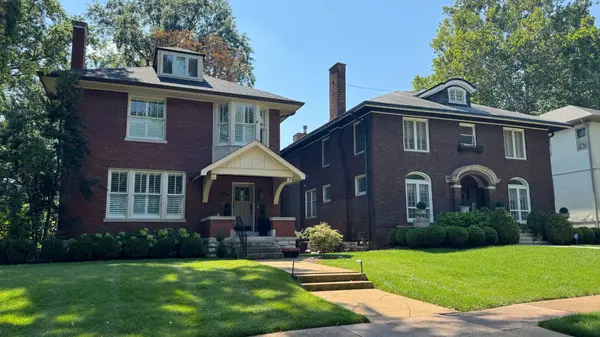
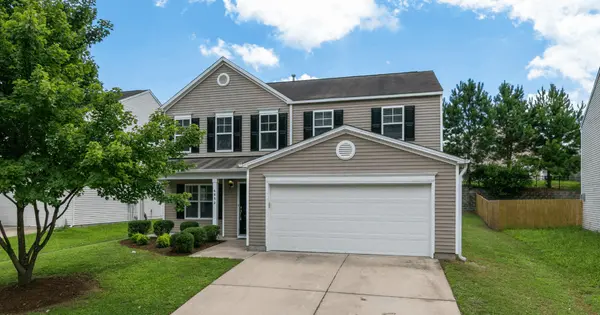
Homes in Kirkwood (63122), Webster Groves (63119) and parts of Chesterfield (63017) vary a lot in layout, from classic multi-level homes to single-level ranches. Neither is better. The question is whether this one still fits the way your parent lives today.
About 69% of St. Louis County homes are owner-occupied, according to the U.S. Census Bureau (2020 to 2024 estimates). In Chesterfield it is about 78%, and in Kirkwood about 77%. For many families, that means the house is a big part of the whole plan, which is why this question matters.
Question 3: Who is deciding, and who is helping?
Name it. Is the decision your parent's? Is someone holding power of attorney? Do siblings live nearby or out of state? I have seen more stress come from unspoken assumptions than from any disagreement about the house.
If there is a legal question about roles, an elder law attorney is the right person to answer it. I am not one, and I will say so.
Question 4: What does the timeline really look like?
Some timelines are driven by health. Some by a spouse's loss. Some by a house that has become too much. And some have no deadline at all, which gives you room to prepare.
If there is time, a few small steps help later: sorting by room, getting repairs on the list, and learning what the home might need before it is on the market. If time is short, we can still move carefully. We just move in a different order.
Question 5: Who else belongs at the table?
A good plan usually has more than a Realtor in it. Depending on the situation, that may be an elder law attorney, a financial advisor, a tax professional, a senior move manager, or your local area agency on aging. I am happy to work alongside any of them, and I never replace them.
Where I come in
My role is the home. I can walk through it with you, talk honestly about what it might need and what it could sell for later, and explain your options, including staying, selling now or selling later. I hold the SRES (Seniors Real Estate Specialist) certification, and I work with families across West St. Louis County and the St. Louis Metro Area.
If this conversation is also about moving to a smaller home, I wrote about downsizing from West County to the Central West End, which I know well because I made that move myself.
No pressure and no timeline you did not choose. If it helps to have someone sit down at the table with you, I would be glad to.
Frequently asked questions
How do I start the conversation about whether a parent should move?
Start with what they want rather than what you think they should do. Ask open questions about what a good next few years would look like, and write down their answers. Plan the home questions afterward.
Do I need to sell the house right away if a parent needs more care?
Not always. Some families keep the home while they sort out care, finances and legal roles. An elder law attorney and financial advisor can help you weigh the options before you decide on a sale.
What should I look at in a home before deciding to stay or sell?
Look at entry steps, bedroom and bathroom location, upkeep demands and distance to everyday services. A local agent can walk through the home with you and tell you honestly what it might need.
If you are in the middle of this conversation now, you are not behind. Send me a note and we can start with question one.
Categories
- All Blogs (50)
- Buyer Resources (3)
- Buying and Selling Together (5)
- Buying, Selling & Relocation (1)
- Central West End (4)
- Chesterfield (6)
- Clayton (3)
- Creve Coeur (1)
- Events/Things to Do (4)
- Helping Aging Parents Move (3)
- Historic and Luxury Homes (3)
- Kirkwood (4)
- Ladue (5)
- Living in 63108 (1)
- Market Insights & Real Estate Trends (1)
- Market Updates (7)
- Move-Up Buyers (2)
- Neighborhood Guides (22)
- Relocating (2)
- Relocating to St. Louis (1)
- Seller Resources (4)
- St. Louis Luxury Real Estate (1)
- St. Louis Neighborhoods Guide (1)
- University City (1)
- Webster Groves (3)
- West St. Louis County (4)
Recent Posts