Buying an Older Home in St. Louis? The Inspections That Actually Matter Here
Buying an Older Home in St. Louis? The Inspections That Actually Matter Here
For an older St. Louis home, a standard inspection is the floor, not the ceiling. Add a sewer lateral scope, a radon test, a termite inspection and a hard look at the electrical.
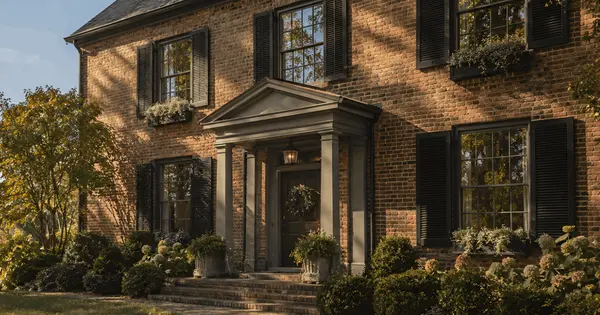
The brick house with the original woodwork and tall windows is the one you keep sending to each other. Then the inspection report arrives, and it says very little about what is under the lawn, in the soil or behind the walls.
A standard home inspection covers what an inspector can see and test in and around the house. In older St. Louis homes, some of the costliest surprises sit outside that picture. Here are the four checks I add, and why each one belongs on your list.
The short answer
A standard home inspection is the floor here, not the ceiling. For an older home in St. Louis and across West St. Louis County, I add four things: a sewer lateral scope, a radon test, a termite inspection, and a hard look at the electrical. Each one comes down to how old the houses are and the ground they sit on. Several are add-ons, so ask your inspector what is included before you book.
1. The sewer lateral scope
The lateral is the pipe that carries waste from your house to the public sewer main. In the City of St. Louis, the city says the entire lateral from the home to the MSD main is private property. That means it is yours. The city also notes that many of its sewer lines are over 100 years old and made from clay pipe, and that pipes like that can shift as the ground settles.
Tree roots push into hairline cracks looking for water. HomeGuide says that is common in older clay and cast iron lines. A camera scope shows you what is inside the pipe before you own it, and it costs far less than replacing the line.
Some cities here run lateral repair programs, and the rules differ by city:
- Kirkwood: the owner is responsible for the lateral, MSD does not fund repairs, and the city program pays 75 percent of an approved repair invoice.
- University City: the city program pays the first $2,500 of an approved repair.
- Ballwin: the city program lists a standard cap of $4,500 per job. It also says it is not meant to satisfy a home sale contingency, and repairs a buyer's inspection turns up are generally not covered.
- City of St. Louis: the program covers breaks under the public right of way. Breaks under private property, and clearing roots or clogs, are not covered.
Before you count on any program, ask the city whether a problem found during a purchase would qualify.
2. The radon test
Radon is a natural gas that comes up out of the soil, so the age of a house does not protect it. EPA's radon zone map sorts counties into three zones by potential, and it says homes with elevated radon have been found in all three. EPA also says most homes in its Region 7 states, which include Missouri, sit in Zone 1 or Zone 2, meaning high or moderate potential.
Missouri's health department says one in three homes tested through its program came back above the action level, and that radon is present in every county. EPA recommends fixing a home at 4 pCi/L or higher and says to consider fixing between 2 and 4.
Two practical points. Missouri advises testing during a real estate purchase, and says a test tied to a legal transaction should be done by a professional radon contractor. And the fix is a known one. A mitigation system in Missouri is typically $2,000 or less for a 2,000 square foot home.
If you are coming from out of state, this is the one I find buyers have rarely heard of, so it is worth saying out loud.
3. The termite inspection
Missouri is termite country. One VA loan resource rates the state's termite risk as moderate to heavy and says a wood-destroying pest inspection is required here for VA loans. Many buyers order one regardless, and some loans call for it, so ask your lender whether yours does.
The inspector looks for signs of active or past activity and for damage to the wood. You want that report while you can still negotiate a repair or a credit.
4. A hard look at the electrical
Houses from before the 1950s may still have knob and tube wiring, an early system that Policygenius notes is now considered out of date. Old panels, the boxes where the breakers live, and wiring that was added to over the decades belong in the same conversation. A licensed electrician can tell you what is there and what it would take to update it.
Here is the part buyers miss: it can complicate getting insurance. American Family says companies may deny coverage for homes with knob and tube wiring, and Policygenius says some insurers will charge higher rates or decline. Ask your own insurance company about the specific house before your inspection period ends, while you can still act on the answer.
What each check costs, and what it costs if nobody checked
These are published averages, not bids for any house. The sewer, termite and electrical figures are national averages from consumer cost guides, so local prices will vary.
- Sewer scope: $125 to $500 on average, and $100 to $250 extra when added to a home inspection (HomeGuide). If nobody checked: Kirkwood's program brochure says a lateral repair usually runs $1,000 to $8,000.
- Radon test: a professional test runs about $145 to $670 per Angi's St. Louis page. If nobody checked: the fix is typically $2,000 or less for a 2,000 square foot home, per Missouri's health department.
- Termite inspection: a wood-destroying organism inspection averages $150 (Angi, 2026). If nobody checked: Angi puts termite damage repair at $1,000 to $10,000, with a national average of $3,000.
- Electrical: the electrician's price varies by company, so ask for a quote first. If nobody checked: Angi's 2026 guide puts replacing knob and tube wiring at $12,000 to $36,600.
The checks run from about $100 to $670. The repairs start around $1,000, and rewiring can reach five figures.
Buying from out of town? Your inspector is your eyes
If you cannot be in St. Louis for the inspection, set it up early and set it up clearly.
- Book the specialists on day one. Missouri's health department says a short-term radon test typically runs about three days, and the scope, the termite inspector and the electrician each need a slot inside your inspection period.
- Ask who attends. I can be at the inspection and walk you through the findings on a video call as they happen, so you are not reading a report cold.
- Ask for photos and written reports. Every finding should come with a photo, and you want the full reports early enough to act inside the inspection period in your contract. That is the window to negotiate or step back, depending on your contract.
Still comparing St. Louis areas from a distance?
If you are weighing areas as well as houses, the Find Your Whay: The St. Louis Match Guide is built for that. You can also send me a message with the word STL and I will send it to you.
Frequently asked questions
Is a standard home inspection enough for an older home in St. Louis?
It is the starting point, not the finish line. A sewer lateral scope, a radon test, a termite inspection and an electrician visit for the wiring are often add-ons, so ask your inspector what is included and book the rest early.
Who pays to repair a sewer lateral in St. Louis?
The property owner. The City of St. Louis says the entire lateral from the home to the MSD main is private property, and Kirkwood says MSD does not fund lateral repairs. Some cities run repair programs with their own caps and rules, so ask the city before you count on one.
What radon level should be fixed?
EPA recommends fixing a home at 4 pCi/L or higher and says to consider fixing between 2 and 4. The Missouri health department says to confirm a level above 4.0 with a second short-term test before you act.
Can knob and tube wiring affect homeowners insurance?
Yes. Some insurers charge higher rates or decline coverage for homes with knob and tube wiring. Ask your own insurance company about the specific house before your inspection period ends.
Shari Whay, REALTOR®, Real Broker LLC Helping you find your Whay home. Serving the St. Louis Metro Area and West St. Louis County | shariwhay.com
Sources checked November 16, 2026. General information, not legal advice and not a substitute for a licensed inspector.
Categories
- All Blogs (71)
- Ballwin (1)
- Buyer Resources (7)
- Buying and Selling Together (7)
- Buying, Selling & Relocation (1)
- Central West End (5)
- Chesterfield (11)
- Clayton (4)
- Creve Coeur (3)
- Events/Things to Do (5)
- Helping Aging Parents Move (6)
- Historic and Luxury Homes (3)
- Kirkwood (7)
- Ladue (6)
- Living in 63108 (1)
- Market Insights & Real Estate Trends (1)
- Market Updates (10)
- Move-Up Buyers (2)
- Neighborhood Guides (24)
- Relocating (2)
- Relocating to St. Louis (4)
- Seller Resources (7)
- St. Louis Luxury Real Estate (1)
- St. Louis Neighborhoods Guide (1)
- University City (2)
- Webster Groves (6)
- West St. Louis County (18)
Recent Posts